

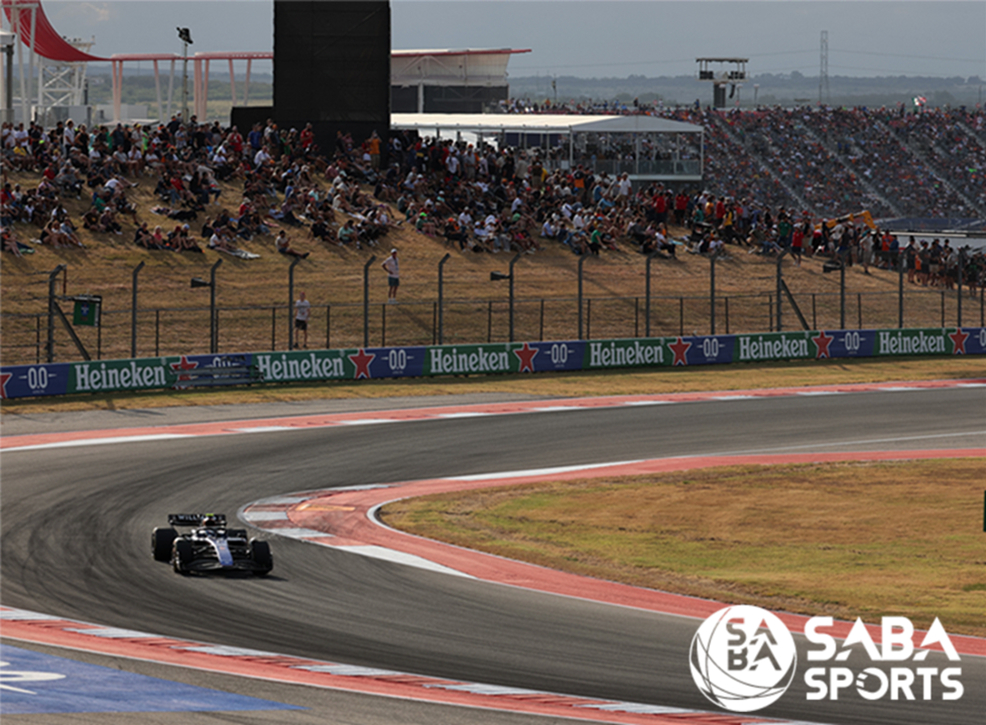
Source: REUTERS/Kaylee Greenlee Beal
[Saba Sports News] Every race in F1 is filled with challenges and uncertainties, and the upcoming 2024 F1 Brazilian Grand Prix is particularly noteworthy. The Interlagos circuit in Sao Paulo, Brazil is 4.309 kilometers long, requiring drivers to complete 71 laps in a counterclockwise direction. The track features 15 corners, including high-speed straights and complex corner combinations. The elevation changes and combination of fast sections with slow inner areas place high demands on drivers’ skills as well as car performance and tuning. This year, Interlagos has undergone significant changes with new asphalt and foundation repaving. This has fundamentally altered the physical and chemical properties of the track surface, especially under wet conditions where its water absorption and drainage capabilities are markedly different from before. Before the race, the organizing committee also used high-pressure water jets to wash the surface, increasing its roughness compared to previous years, which means faster tire wear. This has rendered all historical data held by teams instantly irrelevant; they are like sailors groping in the dark and must reassess this track anew. At the same time, this presents significant challenges for each team’s strategy formulation.