

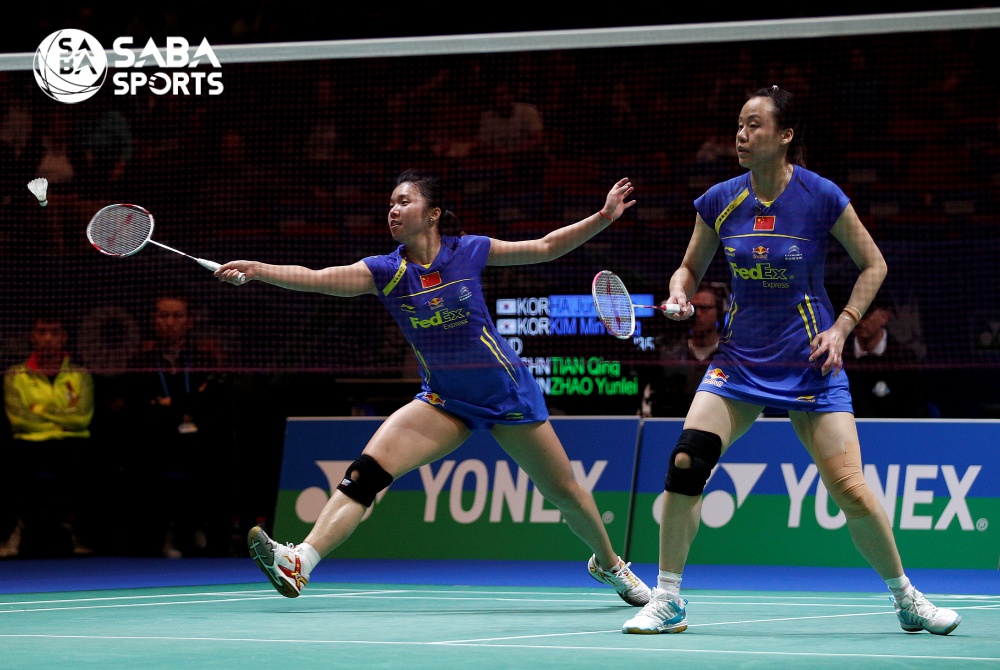
Source: REUTERS/Darren Staples
[Saba Sports News] The South Korean sports community has been in an uproar due to the revelation that badminton women’s singles champion An Se-young has been bullied within the national team for a long time. In response, Malaysian media stated that the “parental” and “stick” coaching methods are outdated in today’s sports world, and bullying behavior from coaches is unacceptable. In fact, the An Se-young incident is not an isolated case in South Korea, where the deeply rooted “senior culture” often leads to various scandals. This so-called senior culture means that older or higher-ranking individuals enjoy greater status, which gradually distorts into a hierarchical mindset and bullying culture. In sports, there is a division between young athletes and veteran players, as well as inequalities between players and coaches, and between players, coaches, and sports organizations. Malaysian media pointed out that many coaches in Malaysia still adhere to the old parental management and coaching methods, mistakenly believing that instilling fear in athletes demonstrates their authority. In reality, coaches should not be seen as demons; they should not make athletes fear them but earn their respect instead, which is essential for effectively leading athletes or teams. Finding a way to coach that achieves results while allowing players to cope is a dilemma many coaches face. Coaching the younger generation of players is indeed different from before, much like educating today’s children requires better methods. Strictness does not equate to being harsh; regardless of whether one intends to consider the athletes’ well-being, behaviors such as hitting, scolding, or humiliating cannot be tolerated. Most athletes are high school-aged, independent-minded individuals born in the 90s; using physical punishment will instill fear and resistance in them, which is extremely detrimental to their growth.