

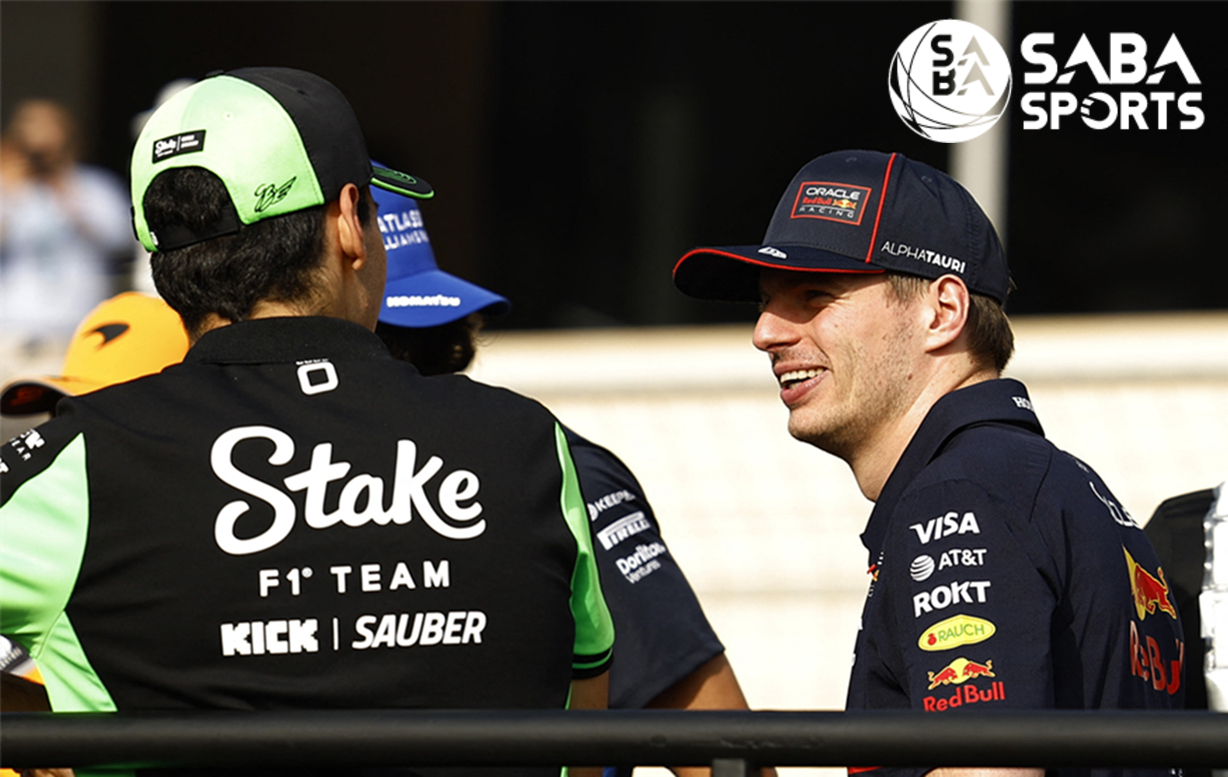
Source: REUTERS/Rula Rouhana
[Saba Sports News] After the Bahrain Grand Prix, Max Verstappen announced gloomily, “Red Bull has withdrawn from the championship contention.” However, team principal Christian Horner ignited hopes of defending the title with a statement: “An 8-point gap is just a corner’s distance in 24 Grand Prix.” This exchange revealed the contradiction within the Red Bull team – the four-time champion has lost confidence in the RB21, while the team firmly believes they hold the key to turning things around. In previous interviews, Horner revealed the predicament faced by the technical team: the simulator data greatly differs from track performance. Clearly, this once-champion team is facing a crisis of testing equipment malfunction for the first time. Data shows that the Red Bull car’s downforce in high-speed corners predicted in the wind tunnel is 18% higher than the actual figure, and the tire wear simulation error is an astonishing 23%. This disconnection between data and reality put Verstappen in a double bind at the Bahrain Grand Prix, unable to trust the car’s feedback or rely on team instructions. However, Horner’s optimism is not without basis. Technical director Pierre Wache revealed that a temporary adjustment plan for the Japanese Grand Prix showed a 0.3-second improvement on the simulator but failed to materialize at the Bahrain Grand Prix. As the European season approaches, Red Bull plans to adopt a new development process, bypassing the current malfunctioning simulation system. This crisis may reveal the harsh truth of the new era of F1: as the ground effect rules come to an end, no team can escape the fate of “exhausting technical dividends.”