

Source:REUTERS/Kim Kyung-Hoon
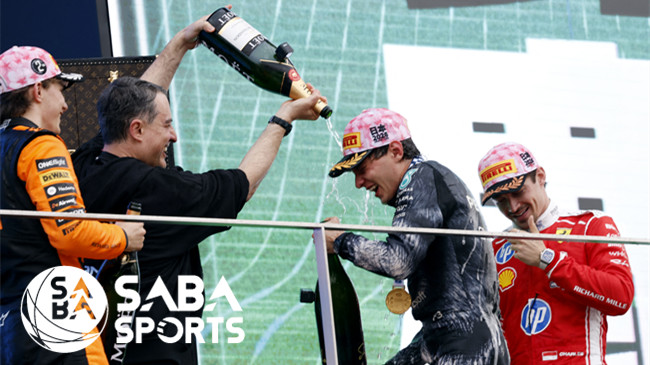
[Saba Sports News] Andrea Kimi Antonelli won the Japanese Grand Prix, claiming back-to-back victories and becoming the youngest points leader in Formula 1 history. However, Japan enforces strict alcohol regulations. The legal drinking age in Japan is 20, and Antonelli was only 19 years, 7 months and 4 days old when he won the Japanese Grand Prix. As a result, he was unable to celebrate his victory with champagne.On the podium at Suzuka Circuit last Sunday, while the other drivers held the standard large bottles of Moët & Chandon champagne, Antonelli could only hold an unlabeled bottle containing non-alcoholic rose sparkling water. Such substitutes are commonly used on F1 podiums in countries with alcohol restrictions.Oscar Piastri, who finished second, and Charles Leclerc, who took third place, celebrated with full bottles of champagne and sprayed them generously toward the 19-year-old prodigy. The scene prompted commentators to joke: “Secondhand smoke is bad for your health, but secondhand champagne is perfectly fine—parents can feel free to enjoy it in front of kids.”
In the author’s opinion, Japan’s policy of setting the legal drinking age at 20 is a choice grounded in scientific evidence, centered on youth health, and balanced with historical traditions and social stability. It reflects a public governance philosophy of “prevention over punishment.” Antonelli’s use of non-alcoholic rose sparkling water instead of champagne at the award ceremony demonstrates Formula 1’s respect for Japanese culture.