

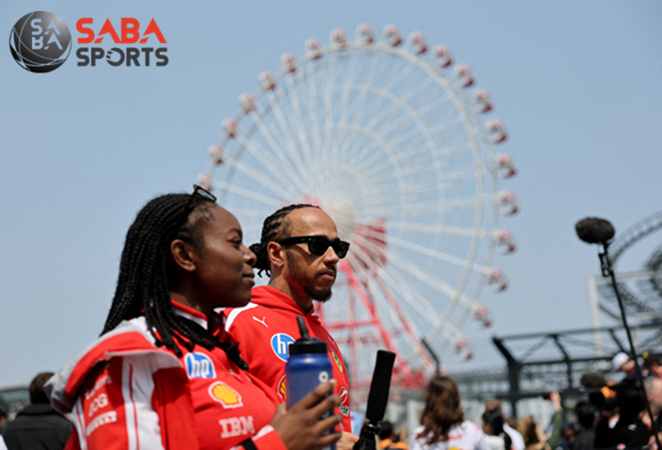
Source:REUTERS/Issei Kato
[Saba Sports News] Controversy over the technical regulations for the 2026 season continues to intensify. Although the FIA plans to hold a crucial meeting in April to evaluate the new rules, Lewis Hamilton holds little hope for a positive outcome. He stated bluntly that drivers have no say in rule-making, and the discussions are unlikely to bring about substantial changes. The new power units introduced this season are centered on a roughly 50‑50 split between electric power and internal combustion, making energy management a key factor in races. This shift has not only altered race rhythms but also created serious safety risks.
During the Japanese Grand Prix, Oliver Bearman crashed into the barriers due to a huge speed difference, with an impact force of up to 50G. Fortunately, he only sustained minor injuries. The incident is seen as a direct example of uncontrolled speed differences under the new rules, further fueling doubts over their reasonableness. After the race, the FIA confirmed it would hold a meeting with all F1 teams to assess the current regulations and explore room for adjustments. However, Hamilton pointed out that rule changes often involve multi‑stakeholder interest games, making it difficult to reach an ideal outcome. He emphasized that drivers not only lack voting rights but are also excluded from the decision‑making system, meaning their feedback can hardly influence the final direction.
In our view, if the FIA only listens to teams, it risks ignoring drivers’ real on‑track experiences. Especially under the current regulations, speed differences of up to 50 km/h are highly likely to trigger sudden accidents, a situation extremely rare in any form of motor racing.