

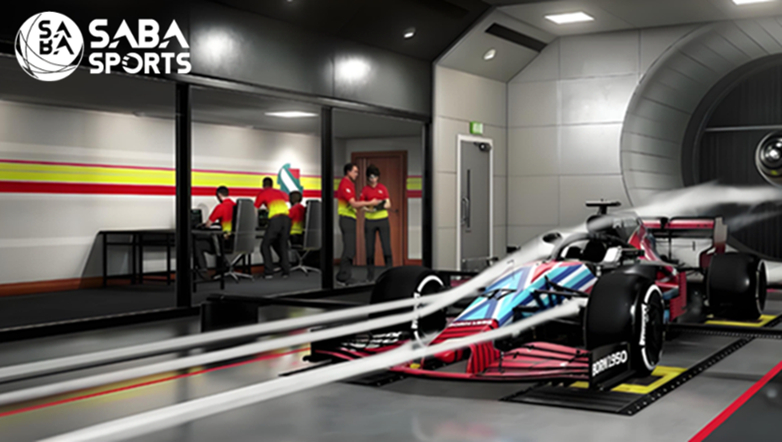
[Saba Sports News] A recent media report suggests that Formula 1’s wind tunnel era could come to an end in 2030. 2030 is the deadline set by the FIA for Formula 1 to achieve full carbon neutrality with zero carbon emissions. Current wind tunnel operations across all teams have been criticised for excessive energy consumption. Statistics show that an eight-hour wind tunnel test consumes approximately 10,000 kilowatt-hours of electricity.
Beyond daily operation and maintenance, constructing a wind tunnel is an extremely time‑consuming, labour‑intensive and costly project. The total life-cycle cost of a single wind tunnel stands at nearly 200 million US dollars. For example, McLaren F1 invested 20 million US dollars in building a new wind tunnel back in 2020, which was only scheduled to enter official operation in 2024.
Although the F1 cost cap regulates each team’s annual wind tunnel usage, it places no restrictions on infrastructure investment. Teams have since engaged in an arms race to develop superior wind tunnel facilities, a trend that contradicts Formula 1’s goals of healthy and sustainable development.
In my opinion, a complete ban on wind tunnel testing by 2030 remains only a proposal and long-term vision, rather than confirmed policy. If enforced in the future, it will rely on major breakthroughs in CFD technology and supporting verification frameworks introduced by the FIA. In the short term from 2026 to 2028, wind tunnel testing will remain the core method for F1 aerodynamic research and development, though subject to stricter usage quotas.