
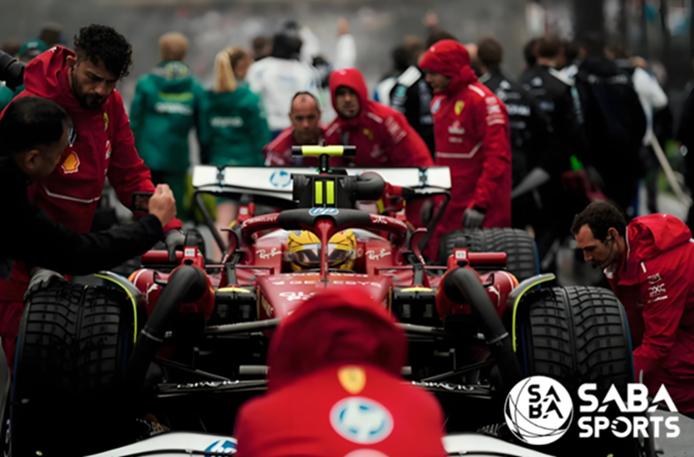
[Saba Sports News] Amid the controversy over the new regulations for the 2026 F1 season, seven-time World Champion Lewis Hamilton has publicly called for drivers to be granted an official seat in the rule-making process to prevent similar issues from recurring.
With the new-generation power units adopting a 50-50 split between electric power and internal combustion engines, the racing style has changed noticeably. Multiple drivers have voiced dissatisfaction with the impact, arguing that race rhythm is now dictated by battery management, diluting the pure competitive nature of the sport. Red Bull’s Max Verstappen was already highly critical of the new rules back in pre-season testing. Following the opening round of the season, such complaints grew louder and criticism continued to mount. It was not until the April break that the FIA held talks with F1 management, teams and power unit manufacturers. Minor rule adjustments were made ahead of the Miami Grand Prix, including optimizations to energy recovery and deployment, aimed at lowering safety risks and improving the on-track spectacle.
Even so, Hamilton believes the root cause lies in drivers lacking a voice in decision-making. He pointed out that although drivers communicate regularly with one another and engage with governing bodies, they still have no genuine channel to take part in rule formulation. He stated that while drivers do not make the rules themselves, they are the ones who have to race under them. Many problems, he argued, could have been avoided if drivers had been involved in discussions at an earlier stage. Hamilton also stressed that drivers are not merely voicing criticism; they hope to collaborate with tyre suppliers and governing bodies to jointly enhance product performance and overall race quality.
In my opinion, against the backdrop of safety concerns sparked by the 2026 regulation overhaul, Hamilton’s appeals carry strong practical relevance. Rather than simply “overturning” the established order, he is pushing to shift F1 from an elite-led decision model toward shared governance. In essence, Hamilton is challenging the institutional flaws that stand in the way of fairness, safety and greater diversity within the sport.