

Image Source: Getty Images
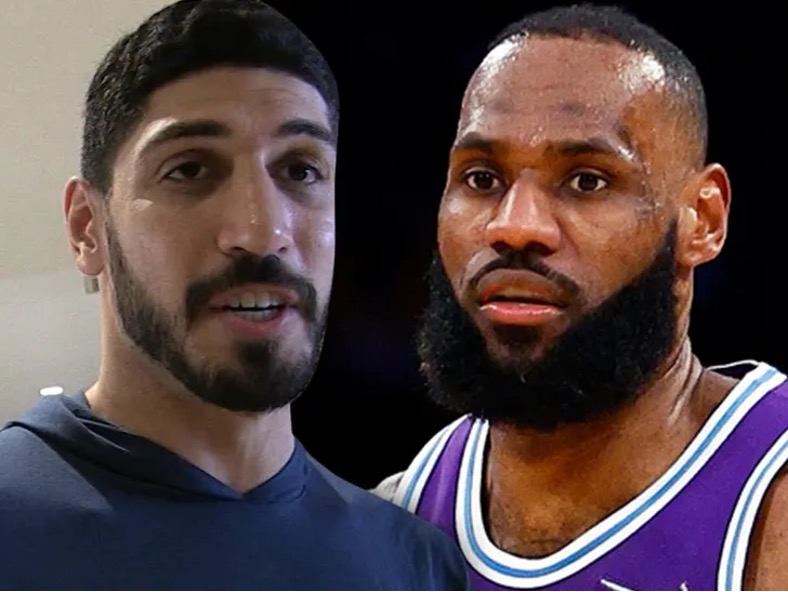
[Saba Sports News] Former NBA center Enes Kanter has once again criticized LeBron James, calling him the “dictator of the NBA” in an interview with OutKick.com. Kanter accused LeBron of exerting excessive control over the league, shaping media narratives, and influencing team decisions.
“He might be a good dude, but he’s not good enough to play in the NBA. The reason he got drafted is because of LeBron. The reason JJ Redick is the coach is because of LeBron. No other player wants to go play with LeBron,” Kanter said. “When the Lakers’ season fails, LeBron tries to find a player to blame, and he blamed the whole season on Russell Westbrook, so he is not a good teammate. Obviously, he runs the media, and he tries to control this narrative, but when you actually know and have a conversation inside of the NBA and its players, nobody wants to play with him.”
Kanter, who spent 13 seasons in the NBA, claimed many players share his views but are hesitant to speak out. He criticized the selection of LeBron’s son, Bronny James, by the Los Angeles Lakers in the NBA Draft, suggesting nepotism played a role. Kanter also implied that JJ Redick’s appointment as Lakers’ head coach was influenced by his relationship with LeBron, reinforcing his broader critique of LeBron’s influence within the league.
Known for his outspoken views, especially against the Chinese Communist Party, Kanter has previously criticized LeBron for his ties to China and Nike, accusing him of ignoring human rights abuses for financial gain.
Despite Kanter’s criticisms, LeBron James remains one of the most influential figures in sports. His leadership on and off the court has been widely celebrated, even as it draws scrutiny from detractors like Kanter. The debate over LeBron’s influence and the dynamics of player power in the NBA is likely to continue, fueled by such strong and polarizing opinions.
Kanter’s recent tirade against LeBron James and his son, Bronny, appears to be an attempt to stay relevant by making controversial statements. Labeling LeBron as a “dictator” and claiming players don’t want to play with him crosses a line. LeBron is widely regarded as the greatest player of his generation, and his leadership is well-documented. Kanter’s assertions seem more like desperate attempts to garner attention rather than grounded criticisms.
If Kanter were as in touch with the NBA landscape as he claims, he would recognize that LeBron’s influence is largely positive, attracting top talent and fostering team success. Kanter’s inability to secure a place in the league suggests his understanding of NBA dynamics might not be as sharp as he portrays. These attacks on LeBron and Bronny appear more like attempts to stir controversy rather than credible insights into the NBA.