

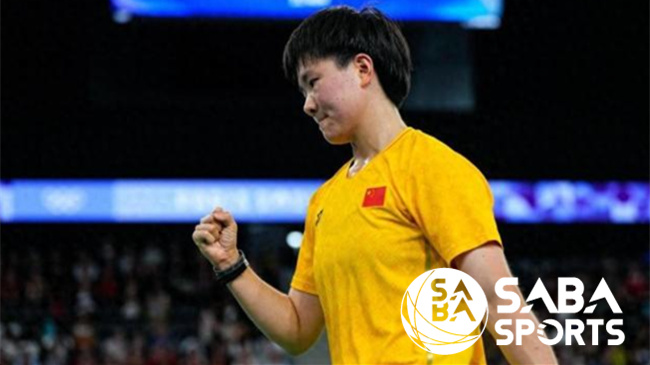
[Saba Sports News] Recently, the official website of Jiangsu Provincial Bureau of Sports issued the Public Notice on the Proposed List of Retired Athletes from the 2026 Provincial Elite Sports Teams, with badminton player He Bingjiao prominently listed. In terms of career achievements and professional standing, He Bingjiao is a World Champion and Olympic silver medalist. Yet she will only receive a retirement settlement fee of less than 100,000 euros, sparking heated discussions among fans.
At present, retirement arrangements for Chinese elite athletes mainly fall into two categories: organizational placement and independent career choice, differentiated by whether they retain establishment status within the public sports system. Organizational placement keeps athletes within the system, with jobs arranged by state or local authorities. Taking up teaching positions at universities or coaching roles at provincial teams falls under this category, offering official establishment status, a steady salary, plus medical and pension benefits. By choosing an independent career path, athletes give up their institutional status, sever all personnel ties with the national and provincial sports administrations, and receive a one-time financial compensation package. He Bingjiao has opted for the latter.
Moving forward, it will be relatively difficult for He Bingjiao to start her own business by opening a badminton venue in her hometown. Ventures such as entrepreneurship and investment may sound inspiring, but in practice, a settlement fee of 100,000 euros would barely cover operating costs for just two to three months. Alternatively, playing professionally in Spain could be a viable option for He Bingjiao. There is no explicit rule in the Chinese National Badminton Team prohibiting world champions from playing overseas. However, she would only be allowed to compete in club-level events and cannot represent any other association in international tournaments.
In the editor’s opinion, the sum of 100,000 euros represents the fruits of He Bingjiao’s 14 and a half years of dedication to her career. Her choice of independent retirement marks a new starting point at the age of 29. Her experience reflects the inadequacies of China’s systematic support system for retired athletes, especially those from non-core gold-medal sports events.