

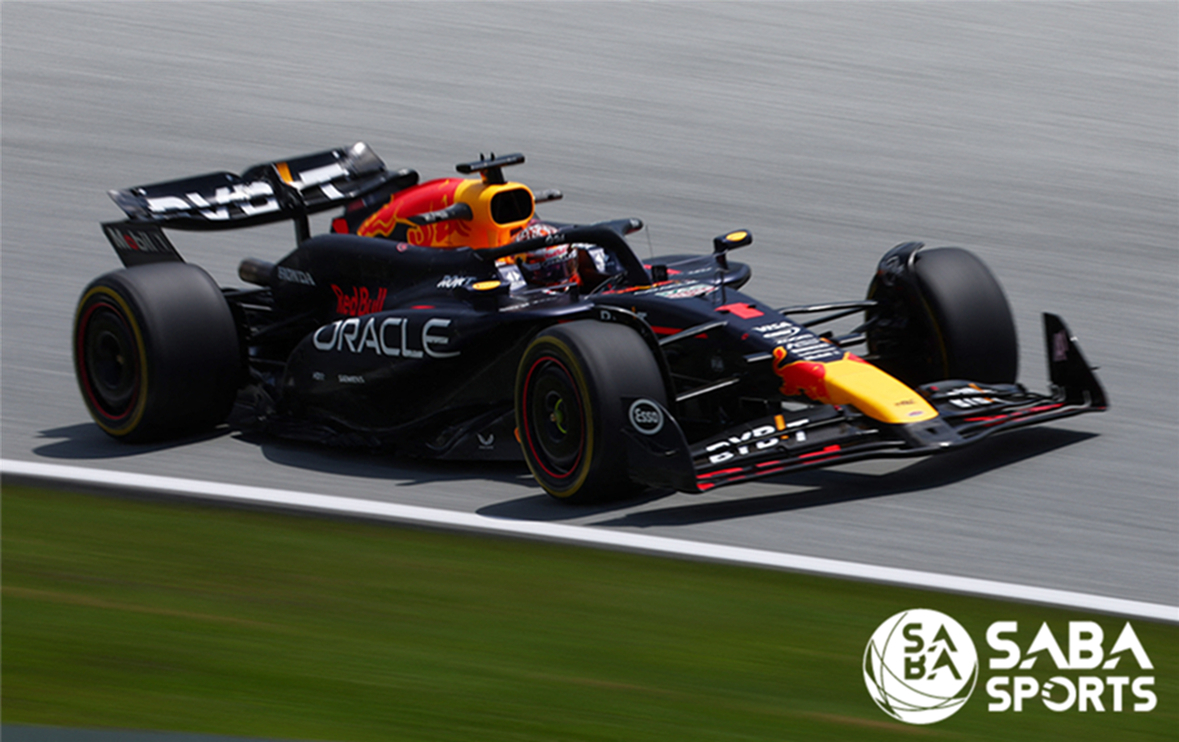
Source: REUTERS/Florion Goga
[Saba Sports News] Although F1 drivers don’t necessarily come from wealthy families, it is nearly impossible for ordinary individuals to enter the F1 arena. So, how difficult is it to train an F1 racing driver? Firstly, drivers must progress from karting to junior formula cars such as F4, then advance to F3, F2, and ultimately reach F1. The higher the level of competition, the higher the costs involved. Young drivers begin training in go-karts at the age of 7-8, spending at least $80,000 to $100,000 per year. This expensive journey typically lasts for 4-5 years. Only those who excel in the karting stage become eligible to enter F4. In the F4 formula stage, there is a chance to secure sponsorship to offset a portion of the training expenses. The cost for a single season at this stage is around $200,000. Then comes F3, with a single−season fee of approximately $700,000, followed by F2, which costs about $1 million per season. Reaching the F1 stage requires millions of dollars in annual expenditure. However, having financial resources doesn’t guarantee becoming an F1 driver. With only 20 seats available throughout the season, only the best drivers can secure a place. According to FIA regulations, before becoming an F1 driver, one must accumulate 40 super points in major international top leagues to be eligible for an F1 super license, and these points remain valid for only 3 years. It’s safe to say that this requirement alone eliminates 99% of the candidates. Moreover, drivers must possess exceptional physical fitness to meet the demands of F1 racing. For instance, since F1 cars lack any electronic power-assist systems, even simple tasks like turning the steering wheel require at least 30 kilograms of force, which is impossible for ordinary individuals. It’s no exaggeration to say that F1 racing drivers are even rarer than fighter pilots.