

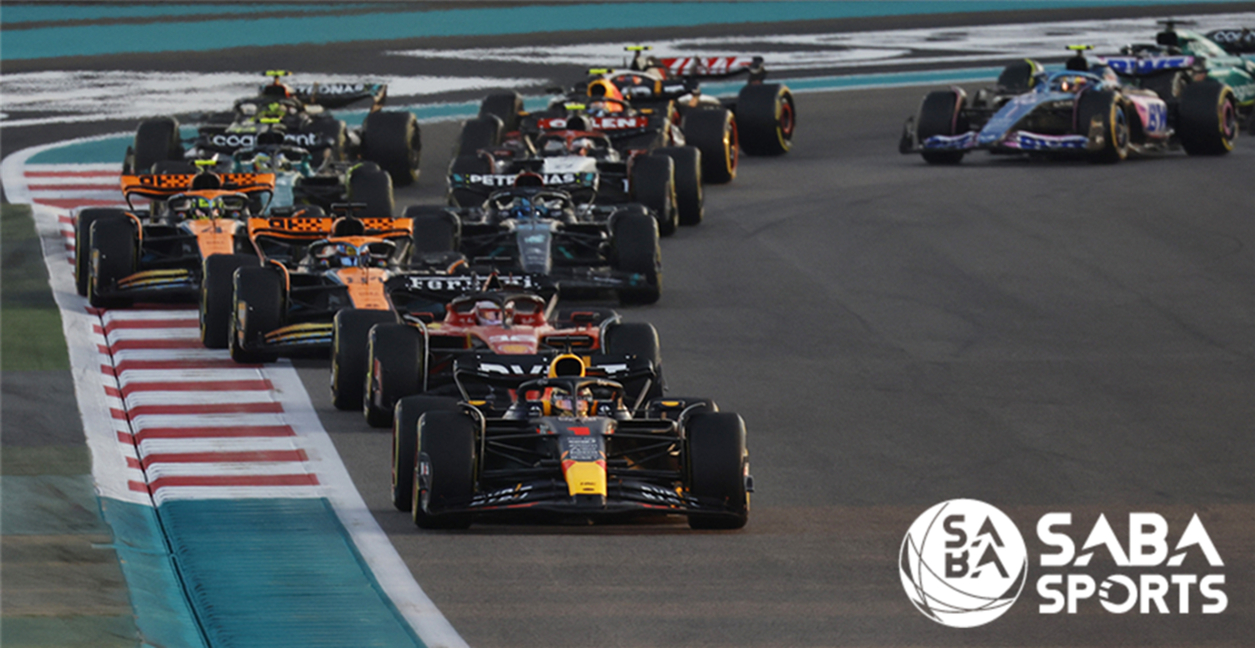
Source: REUTERS/HAMAD I MOHAMMED
[Saba Sports News] On October 5, 2014, at the Suzuka Circuit in Japan, Ferrari’s future star Jules Bianchi suffered a crash. At that time, a rescue vehicle was clearing Adrian Sutil’s damaged Sauber car. Under extremely wet and dark conditions at Suzuka, Bianchi lost control of his car due to excessive speed and collided with the rescue vehicle. This crash resulted in diffuse axonal injury, a form of traumatic brain injury. From that moment on, Bianchi never regained consciousness and tragically passed away on July 17, 2015, in a hospital in Nice. Bianchi’s death deeply saddened his family, friends, and the entire Formula One community. His passing left a lasting legacy in F1; after extensive investigations by the FIA into Bianchi’s accident, a series of safety measures were introduced, including the virtual safety car (VSC). When double yellow flags are displayed, the FIA mandates drivers to slow down to a minimum lap speed. During Bianchi’s time, drivers ostensibly slowed down to comply with yellow flags, but differing interpretations of how much to slow down led to inconsistent speeds among drivers and ultimately created an unsafe environment. Bianchi’s crash became a catalyst for the FIA to accelerate research into cockpit protection methods.