

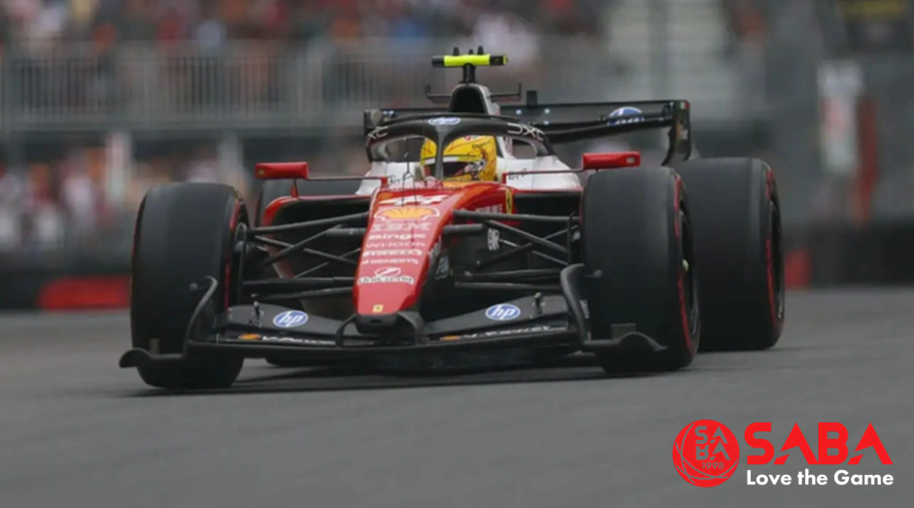
[Saba Sports News] The new Formula 1 regulations for the 2026 season have been mired in controversy since their implementation. Following the thrilling wheel-to-wheel racing at the Canadian Grand Prix, discussions over the new rules have flared up once again. Lewis Hamilton, one of the earliest supporters of the revamped rules, offered a mixed assessment after the race. He acknowledged that cars can now race much closer to one another, yet remains unconvinced by the performance of the power units.
Many regard the Montreal weekend as one of the most spectacular races under the new regulations. The intense battle for the lead between the two Mercedes drivers, as well as the classic duel between Hamilton and Max Verstappen in the latter stages, greatly boosted the spectacle of the event. Hamilton ultimately overtook Verstappen to claim second place, marking his best race result since joining Ferrari. Still, when asked if he has fully adapted to the new power unit system, Hamilton answered in the negative. He explained that when he activates the overtaking mode on the straights, power tends to drop off noticeably mid-way, accompanied by a fall in engine revs. This driving experience is vastly different from what he was accustomed to in previous F1 machinery.
Hamilton pointed out that during the V8 and V10 engine eras, power was delivered consistently all the way to the end of straights, and the relentless surge of acceleration embodied the true spirit of motorsport. While the current energy management system has added new dimensions to the racing, it has diluted the excitement brought by the powertrain itself.
In my opinion, Hamilton has long stood behind the new rules and put forward proposals for technical improvements, rather than opposing them outright. His criticisms target the current tuning and energy deployment logic of the power units, instead of the aerodynamic design or the focus on closer on-track battles.