
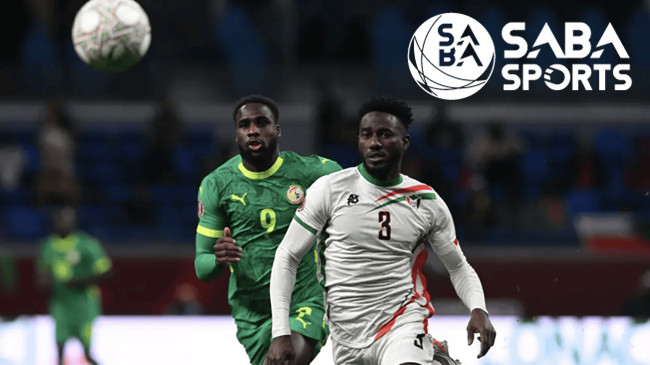
[Saba Sports News] Following the conclusion of the recent Africa Cup of Nations, the Mali national football team crashed out in the quarter-finals, failing to achieve their pre-tournament target of reaching the semi-finals. In the immediate aftermath, Mamoutou Touré, President of the Malian Football Federation, along with the thirteen members of the Federation’s Executive Committee, tendered their resignations en masse.
Over the past several months, the Malian Football Federation has been plagued by deep-seated rifts over development strategies, day-to-day administration and division of responsibilities. Its operational machinery has long been dysfunctional, pushing the entire governance structure to the brink of collapse. The team’s defeat served merely as a catalyst that triggered the eruption of accumulated conflicts, rather than being the root cause of the crisis.
The pressing priority for the Malian Football Federation now is to carry out a transparent and impartial leadership transition, and elect a new governing body composed of professionals with unblemished records and proven managerial capabilities. However, the Federation is fragmented by numerous internal factions. If the transition process falls prey to power manipulation, the new leadership will likely repeat the same mistakes of the past. It is therefore imperative to bring in third-party oversight – with neutral bodies from FIFA or the Confederation of African Football (CAF) stepping in to participate – to ensure the fairness of the leadership election.
From this author’s perspective, if African football is to break through its developmental bottlenecks, it must start with governance reform. Only by eradicating corruption, rationalizing power structures and strengthening regulatory mechanisms can it lay a solid foundation for the sustainable development of the sport across the continent.