

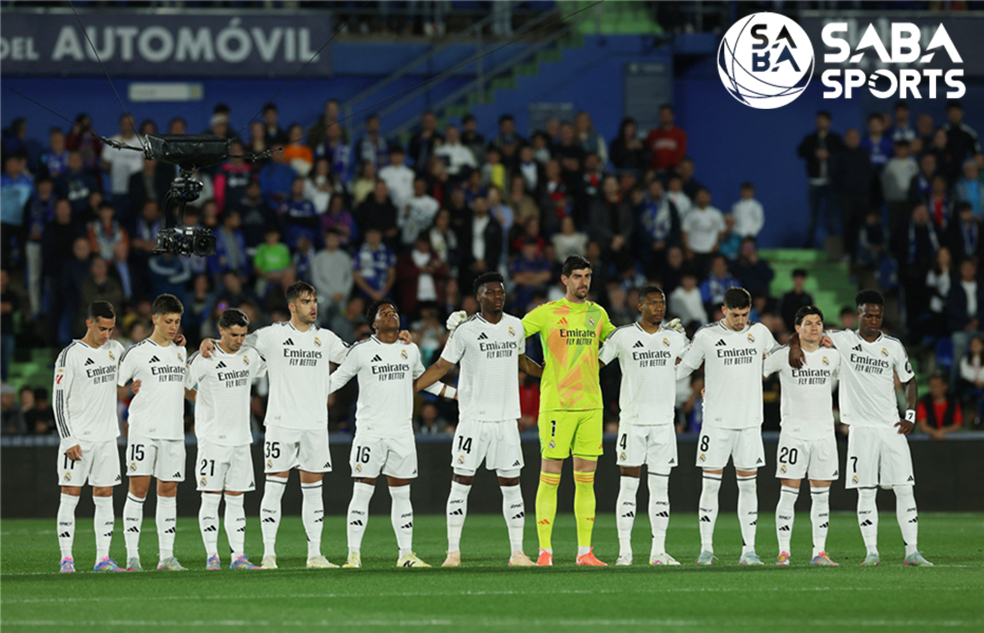
Source: REUTERS/Isabel Infantes
[Saba Sports News] According to Spanish media reports, the Spanish Football Federation’s (RFEF) allocation of approximately 13,000 tickets, which represents 20% of the Copa del Rey final seats, has sparked strong objections. The operational model has been criticized for continuing the longstanding “opaque tradition.” The core issue of this controversy transcends mere lack of transparency; the fundamental problem lies in its inability to accurately track the final destination of nearly 30% of the tickets while also addressing persistent abnormal empty seating issues in the centrally allocated viewing areas directly under its jurisdiction. The Copa del Rey final between Real Madrid and Barcelona was held at the renovated Cartuja Stadium. To prepare for the 2030 FIFA World Cup, the stadium’s track was removed, increasing capacity to 70,000 seats; however, actual capacity for the event remained lower than that number. Real Madrid and Barcelona each received 40% of the tickets (26,031 tickets), while the RFEF retained 20% (about 13,015 tickets). Collectively, these totals theoretically add up to 65,077 seats, yet the official match program still lists 70,000 seats, adding further confusion to the situation. The RFEF’s ticket distribution mechanism presents an even more complex picture; internally, it has always refused to disclose precise data, and external parties can only piece together the truth through various channels.