

Source: REUTERS/JAKUB PORZYCKI
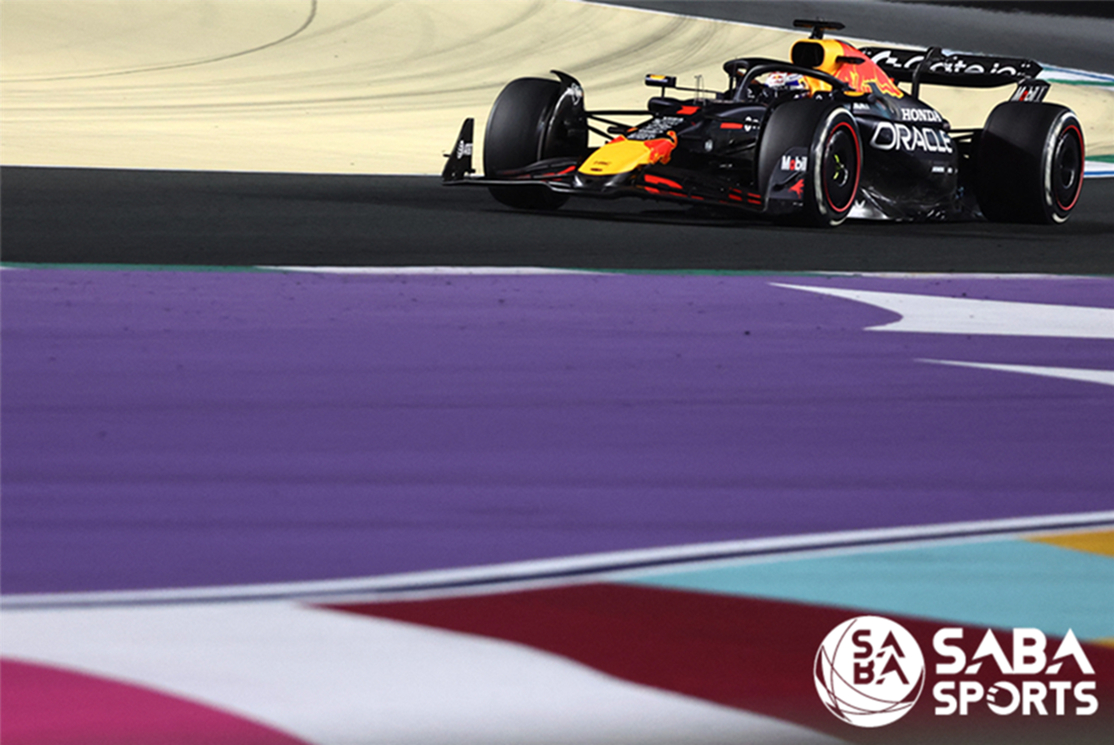
[Saba Sports News] Although the F1 Saudi Arabian Grand Prix concluded, the controversy surrounding Max Verstappen’s 5-second penalty continued to escalate. Mercedes driver George Russell openly expressed: “Verstappen should not complain; he should have yielded the position then. The penalty is not unjustified, but there are certain things everyone knows.” It’s clear that Russell is hinting at certain top drivers enjoying preferential treatment in judging penalties. Russell’s remarks added fuel to the already tense controversy over refereeing decisions and exposed some “unspoken rules” within the paddock. The focal point of the controversy is Turn 1 of the first lap when Verstappen and Oscar Piastri were battling wheel-to-wheel. Red Bull’s car crossed the white line but did not return to its original position, and the stewards ruled that Verstappen “had gained continuous advantage,” yet only issued a 5-second penalty. This controversy exposes the confusion in the F1 rule system. Media reports point out that the current “Driver Guidelines” contain significant gray areas in defining “track advantage.” Records show that punishments for similar cases over the past three years ranged from warnings to 10-second penalties, depending entirely on the subjective judgment of the referees on duty. More ironically, last year at the Spanish Grand Prix, Russell committed the same offense but received only a verbal warning; whereas this year at the Saudi Arabian Grand Prix, Liam Lawson of Scuderia AlphaTauri received a harsh 10-second penalty for the same action.