

Source:REUTERS/Jakub Porzycki
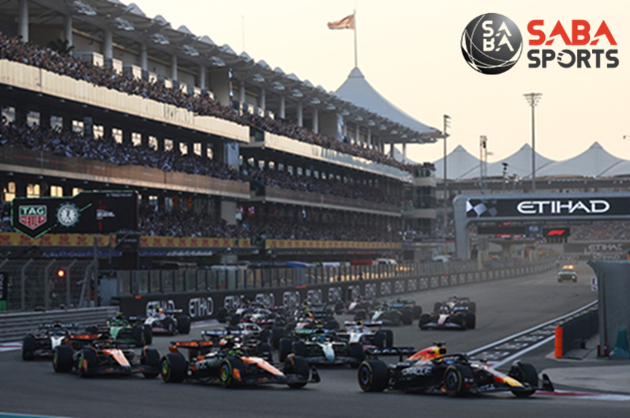
[Saba Sports News] Max Verstappen, the four-time F1 World Champion, recently stated that the extreme stiffness of race cars under ground effect rules has placed an unprecedented burden on drivers’ bodies. On some bumpy tracks, the vertical instantaneous impact forces on the vehicle can reach as much as 9G, compared to around 5.5G for conventional high-speed corners, nearly doubling the lateral load at the steering limit. This poses a severe test for the spine and neck. Previously, Pierre Gasly and Oliver Bearman also expressed similar feelings, noting that long-term exposure to such impacts could even affect the length of a driver’s career.
It is reported that cars in this ground effect era operate at extremely low ground clearance, obtaining significant downforce through airflow under the chassis. However, the “porpoising” issue that comes with this leads to frequent bottoming out at high speeds. While teams are gradually improving, even within the top-performing Red Bull camp, Verstappen is not immune to physical impacts, especially on tracks with pronounced undulations. As a result, drivers engage in intense training to cope with these forces. Verstappen understands this is part of motorsport but believes certain training methods have gone a bit too far. Nowadays, with the ongoing evolution of technical regulations, discussions within the paddock are focused on how to reduce extreme impacts on drivers’ bodies while maintaining speed and competitiveness.