

Source:REUTERS/Issei Kato
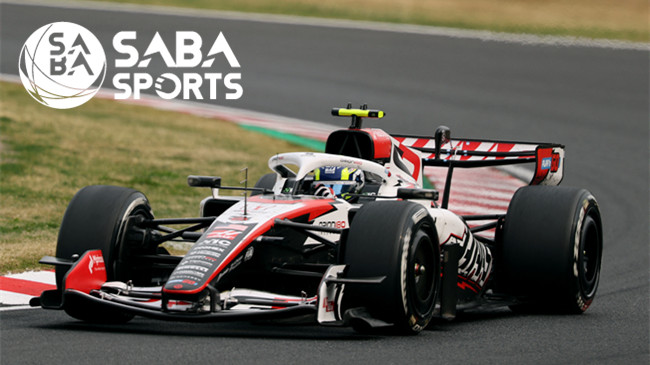
[Saba Sports News] A frightening moment unfolded at the Japanese Grand Prix when Oliver Bearman suffered a severe 50G impact during the race. Fortunately, he sustained only a knee bruise and no fractures. However, the crash did not come out of nowhere — drivers had warned the FIA before the event that speed-differential issues under the new regulations could trigger a major accident.The incident occurred mid-race at the Spoon Curve, where Bearman was closing on Franco Colapinto at high speed. Colapinto’s car was in an energy-recovery phase and had markedly reduced speed. Faced with the sudden large speed differential, Bearman quickly moved left to avoid contact but lost control on the grass, crossed the track and slammed heavily into the barriers. After the race, Bearman revealed that this kind of risk had already been raised at the drivers’ meeting the previous Friday. He said the driver group had urged race officials to be more flexible in implementing the rules to address the dangers caused by extreme speed differentials.
The editor believes Bearman’s crash is not an isolated incident but a predictable consequence of F1 pursuing technical innovation and spectacle while neglecting safety redundancy. If the FIA does not introduce substantive improvements after its April meeting — such as mandatory rear-light warnings, limiting clipping periods, or setting a minimum speed-difference threshold — similar high-G crashes could recur in street races, and in severe cases could endanger drivers’ lives.