

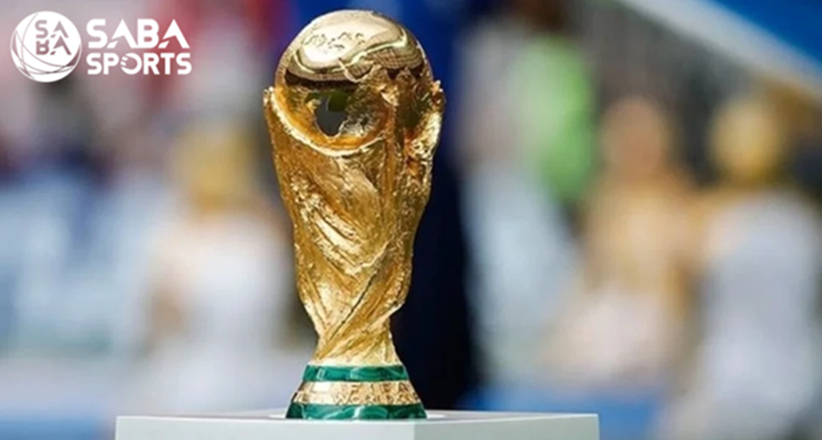
[Saba Sports News] According to British media reports, the World Cup is expected to generate a total global output of up to $80.1 billion. As the tournament approaches, the event co-hosted by three countries is gradually unleashing a strong economic ripple effect. Sectors including tourism, retail, transportation, catering, and various service industries will all experience significant growth. The 2026 World Cup will kick off on June 11 at the Estadio Azteca in Mexico, with the final taking place on July 19 in New York/New Jersey. The tournament will be held across 16 cities in the United States, Canada, and Mexico, featuring an unprecedented scale. In terms of format, this World Cup will expand to 48 teams for the first time, with the total number of matches increased to 104. According to an assessment report jointly released by FIFA and the World Trade Organization, the event is expected to attract around 6.5 million attendees, with a total consumption scale of $13.9 billion. It will contribute $40.9 billion to global GDP and create approximately 824,000 full-time jobs.
The editor believes that from a long-term perspective, the impact of this World Cup extends far beyond short-term economic stimulus. Research suggests that the tournament will also boost sports participation, promote public health, improve social security, and encourage more young people to pursue careers in sports.