

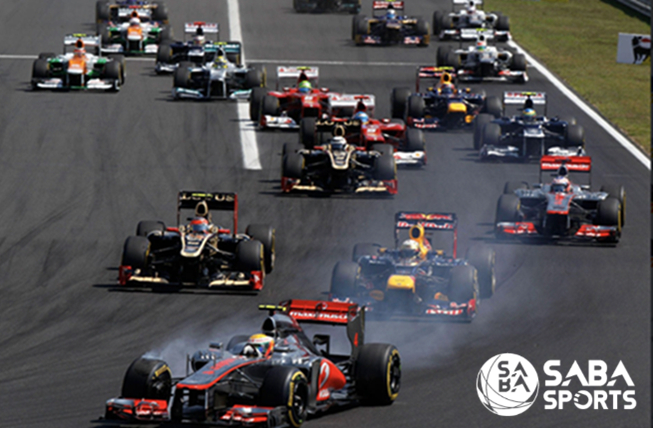
[Saba Sports News] In 2031, Formula 1 cars are likely to adopt 2.4-litre V8 turbocharged engines, while the current hybrid power units may be phased out entirely, as carbon-neutral fuels alone will be sufficient to meet environmental regulations.
Formula 1 is set to introduce new regulations for 2026, retaining the 1.6-litre V6 turbo hybrid formula. The electric component will account for half of the overall power output, alongside mandatory 100% sustainable fuels, with the ultimate goal of achieving full carbon neutrality by 2030. At present, the Fédération Internationale de l’Automobile (FIA) and engine manufacturers have begun planning for the post-2031 era. With existing manufacturer contracts set to expire by then, a major overhaul of the 2026 regulations is inevitable. FIA President Mohammed Ben Sulayem aims to simplify technical rules, cut manufacturing costs, and restore the iconic, high-decibel engine sound that defines thrilling Formula 1 racing.
Prior to 2014, F1 relied on 2.4-litre naturally aspirated V8 engines. This has sparked a key industry debate over whether hybrid technology should be retained in the future. Theoretically, carbon-neutral fuels can independently satisfy environmental targets, yet major engine suppliers remain divided on this shift. New entrants such as Cadillac and Audi primarily focus on turbocharged powertrains for their road car lineups, making a return to purely naturally aspirated engines impractical for their technical roadmaps. As a result, the 2.4-litre turbocharged V8 configuration has emerged as the most favoured solution for the next generation of F1 power units.
In my opinion, from the perspective of technological evolution, powertrain development is trending toward higher efficiency, integrated design and long-term sustainability. For both motorsport and road vehicles, future evaluation criteria will focus more on performance per unit of energy consumption, full life-cycle environmental impact and economic practicality of technology, rather than a simplistic regression to outdated engine configurations or displacement standards.