

Source: REUTERS / Leonhard Foeger
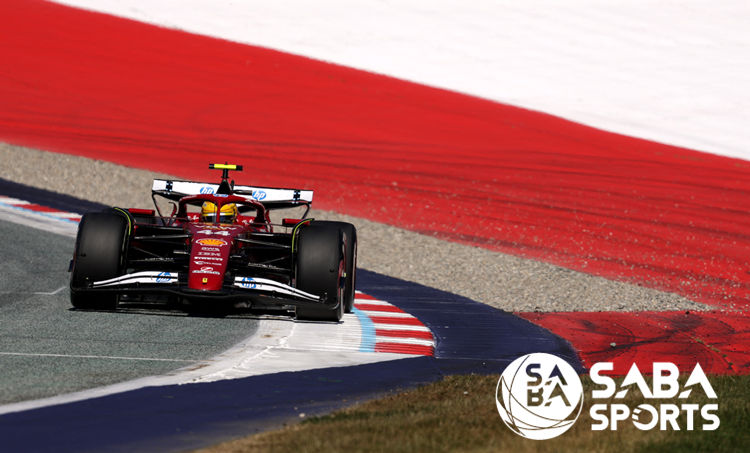
[Saba Sports News] During the F1 Austrian Grand Prix, Lewis Hamilton once again expressed doubts about the race strategy employed by Mercedes. In response, interim team principal Jerome D’Ambrosio stated that the strategy was based purely on data-driven optimal solutions and there was nothing particularly controversial about it. During the race, Hamilton demonstrated consistent pace on the hard tires and was reluctant to make an early pit stop. This led to a radio exchange with his race engineer, Riccardo Adami. When instructed to come in for a tire change, Hamilton replied, “I don’t want to come in,” indicating that he believed the current set of tires still had life in them. Despite this, he ultimately complied and executed a two-stop strategy, finishing fourth. After the race, Hamilton admitted he wasn’t sure how many laps remained and felt he could have continued pushing longer. Notably, he did not harshly criticize the team’s decision-making. From the editorial perspective, Mercedes’ strategy group likely determined that McLaren held a clear pace advantage, while George Russell was far behind. As the two Mercedes cars were running safely in the mid-field, the team opted for the most conservative and stable approach to secure championship points.