

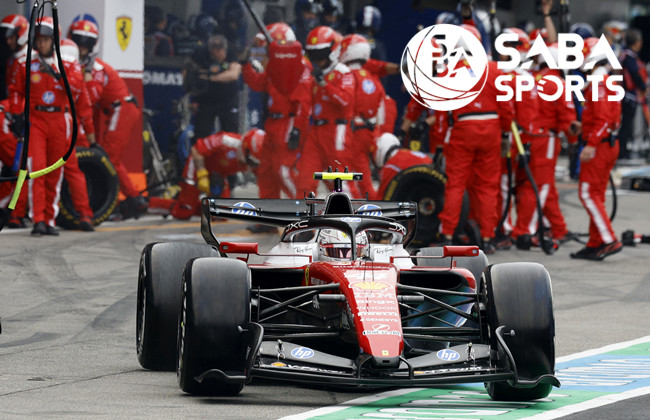
Source:REUTERS/FRANCK ROBICHON
[Saba Sports News] Late in the Japanese Grand Prix, Lewis Hamilton looked set to reach the podium but was repeatedly overtaken by rivals after a sudden loss of power, ultimately missing the chance. This abnormal issue led him to publicly question Ferrari after the race, demanding to find the root cause.During the race, Hamilton’s car experienced power deficit in crucial sections, forcing him into constant defense yet still unable to hold off attacks from behind. Charles Leclerc made the first pass, followed by George Russell and Lando Norris, and Hamilton’s position quickly fell. After the race, the seven-time world champion said he spent the whole race on the back foot and expressed confusion about the car’s performance. He noted a clear power gap compared with Leclerc driving the same model car, a situation he found hard to understand and which directly affected the result.
The editor believes Hamilton’s “questioning” is a normal reaction from a professional driver under pressure to technical problems and fits F1’s communication logic. Although his wording was somewhat strong, his core aim is to push the team to improve rather than cause internal conflict. At 38, facing the challenges of new regulations and a new team, his questioning instead reflects his persistence and sense of responsibility for victory.