

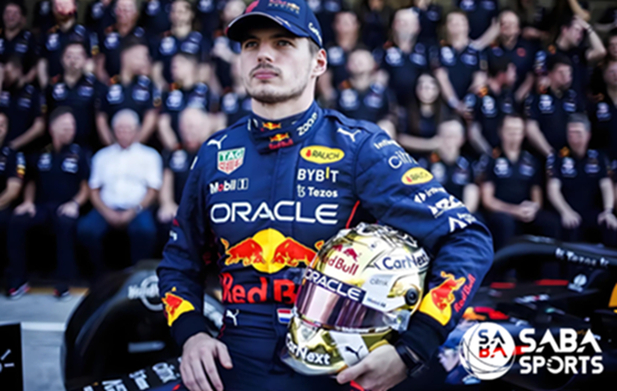
[Saba Sports News] The controversy surrounding the 2026 season regulations continues to escalate. Former Formula 1 driver Jean Alesi has pointed out that the current technical rules are restricting top drivers, especially those known for their extreme pace such as Max Verstappen and Charles Leclerc, who are more vulnerable under the new framework.
Under the current regulations, the powertrain features an almost 50:50 split between internal combustion and electrical power, making battery energy recovery and deployment a decisive factor in lap performance. Drivers must deliberately adjust their rhythm during both races and qualifying, lifting off the throttle and coasting to recharge the battery and avoid a power shortage at critical moments. This strategy-focused driving style stands in sharp contrast to the traditional racing philosophy of pushing flat-out.
Alesi believes this shift is eroding the advantages of elite drivers. He argues that both Verstappen and Leclerc have fallen into the trap of the new rules. During qualifying at the Japanese Grand Prix, Verstappen and Leclerc were faster through multiple corners but failed to set superior lap times overall, with the issue lying in energy deployment and output rhythm. In other words, pure driving ability is no longer enough to determine results; system management has become a new key variable.
In our opinion, the role of top drivers extends beyond racing itself to providing feedback that drives team progress. In an era where performance is largely rule-dictated, rediscovering speed within technical constraints will be the central challenge facing Verstappen and others in the time ahead.