

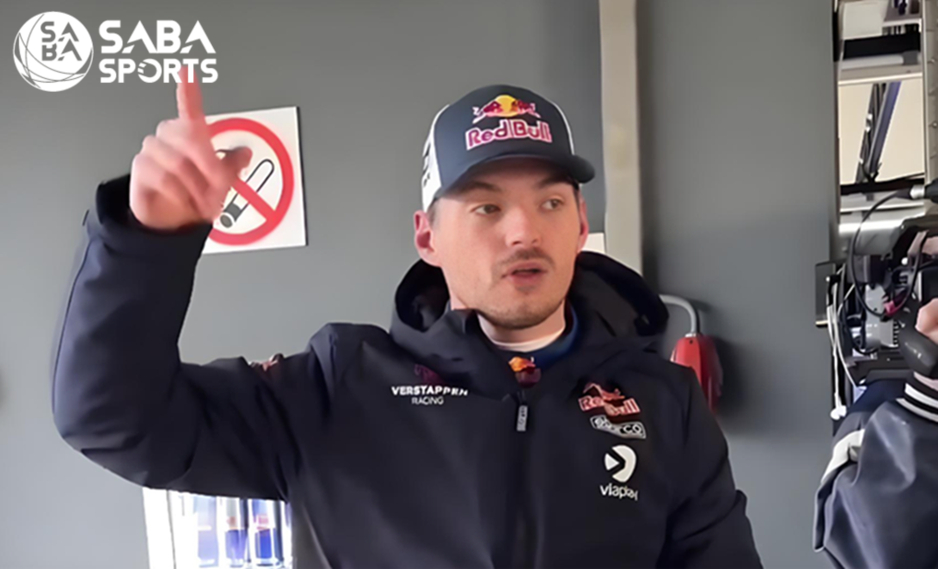
[Saba Sports News] During the second qualifying session for the Nürburgring 24 Hours Qualifying Race, Max Verstappen and his teammate Lucas Auer had been in control but lost their strong position due to a car failure. The Mercedes-AMG GT3 they drove suffered front-end damage midway through the race, dropping them from the lead out of contention. The incident occurred during the second pit stop, when the team planned to carry out a driver change. However, after the car was brought into the pits, it did not exit immediately as technicians spotted visible front-end damage, later confirmed to be a faulty front splitter. The repair process dragged on, with the crew stationary in the pit lane for nearly half an hour before rejoining the race, by which time they had fallen to last place. Auer, who took over driving duties, then began a recovery drive, climbing back from 80th position. Constrained by time and the deficit, he could only recover to 39th at the chequered flag, finishing more than six minutes behind the race-winning crew.
Competitively speaking, this mechanical issue has undoubtedly disrupted Verstappen’s preparations for the Nürburgring 24 Hours main race. Reliability is crucial in long-distance endurance events, and this sudden problem has served as a warning for the team. Moving forward, they will need to make adjustments within limited time to ensure competitiveness in the higher-intensity main race.
In my view, Verstappen demonstrated the overtaking and pace-control abilities of a top Formula 1 driver across multiple stints. However, compared to F1, the 24-hour endurance race places far higher demands on car reliability, team logistics, and rule compliance. This highlights the complex challenges Verstappen faces as he expands his racing career into endurance events.