

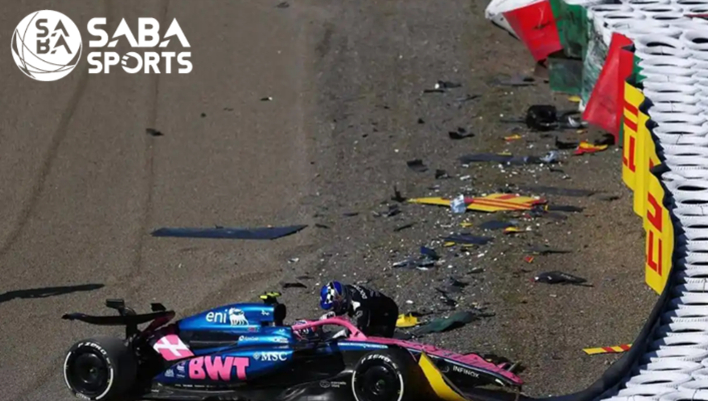
[Saba Sports News] Former Red Bull Team Principal Christian Horner once made a prediction about the 2026 Formula 1 new regulations. He warned that without proper control, the disruptive changes to the power unit would force teams to compromise and make sacrifices in chassis development, resulting in the creation of freak cars. Now the FIA has officially announced major rule revisions, and Horner’s earlier views have finally been proven correct.
Following the Miami Grand Prix, key stakeholders from all teams held another meeting and reached a significant decision. Starting from 2027, the car’s power system will be restructured. Under the original plan, half of the power would be supplied by the battery and the other half by the internal combustion engine. The new arrangement revises the split to 60 percent from the engine and 40 percent from the battery. The electric motor output will be reduced from 350 kilowatts to 300 kilowatts, while the power output of the internal combustion engine will be increased by 50 kilowatts. Though the change appears to be merely a numerical tweak, it comes with profound underlying reasons.
As early as 2024, the FIA put forward a new vision: to make cars lighter and more manageable, while allowing electric power to play a greater role. At that time, it planned to raise battery output to 350 kilowatts. Although the internal combustion engine would still be retained, its importance would be diminished. However, as races unfolded, flaws in this design became apparent. Several drivers commented that the current cars lack smooth handling. Especially at high speeds, once the battery runs low on energy, the car suffers an abrupt loss of power and may even force an upshift or downshift. With the increased power share allocated to the internal combustion engine, F1 cars are expected to regain the classic full-throttle driving feel, which could make races more thrilling.
In my opinion, this adjustment is far more than a technical modification. It reflects F1’s long-standing effort to strike a delicate balance among multiple factors: maintaining a high level of technological sophistication while preserving exciting on-track racing; promoting environmental concepts without overlooking the sport’s traditional charm.