

With the 2026 FIFA World Cup across the US, Canada and Mexico drawing near, skyrocketing ticket prices have become the hottest topic instead of match schedules. General admission tickets originally priced at 446 US dollars have been resold on secondary markets for roughly over 100,000 RMB, marking a price surge of more than 50 times. Many fans blame scalpers and FIFA, yet an in-depth look reveals the chaos stems not merely from unethical middlemen, but an established profit-making system.
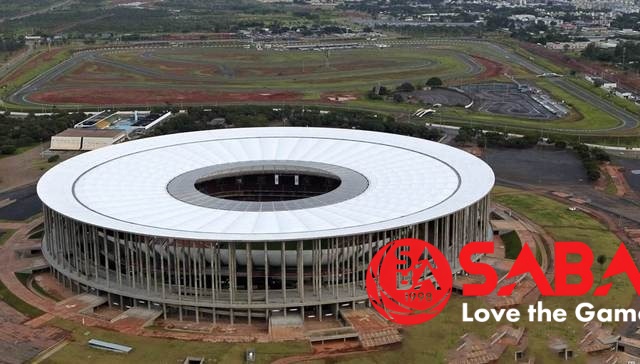
Most people assume hosting the World Cup can boost local economies and city reputations, backed by optimistic official data: New York claims a USD 3.3 billion economic boost, Dallas USD 2.1 billion, and Los Angeles USD 1 billion. However, anyone believing cities can profit easily from the tournament has been misled by promotional rhetoric.
Statistics covering the past 14 World Cups show a sobering truth: nearly every host region suffers losses worth billions, with Russia the sole exception to break even.
All tournament costs fall entirely on host cities, including upgraded security, transportation renovations, stadium construction and maintenance, and fan event planning. Yet host cities receive zero shares from ticket sales or broadcast revenue. The model resembles a franchise store—cities bear all upfront costs while FIFA pockets all profits, acting more like franchisees than equal co-hosts entitled to revenue splits.
While local corporate sponsorships and private donations can offset part of the deficit, remaining losses ultimately burden taxpayers. The claim that the World Cup drives local economy reverses the real balance sheet: policymakers gain global exposure and political achievements in the short term, while residents face decades of accumulated public debt.
The core conflict lies in a disconnect: decision-makers who bid for the tournament reap public acclaim, yet ordinary taxpayers foot the bill for long-term deficits. This explains why cities compete fiercely to host despite projected financial losses.
The ticket price crisis of the 2026 World Cup stems from FIFA’s full rollout of dynamic pricing, a mechanism identical to airline fares where prices shift instantly based on demand—already widely used for concerts and NBA games to maximize consumer spending. For football, a sport meant to be accessible to all, dynamic pricing has shattered fans’ expectations of affordable tickets.
FIFA defends the policy as market-compliant, yet it creates massive loopholes for scalpers to buy cheap tickets and resell them at tenfold markups, pushing match tickets out of reach for average people. Worse still, FIFA runs an official secondary ticketing platform that charges fees on every resale transaction, allowing the organization to profit twice over by inflating prices and taxing scalper trades.
Markups extend far beyond tickets. Regular train fares from Manhattan to MetLife Stadium cost only 13 USD, spiking to 150 USD during the World Cup before public backlash forced a cut to 100 USD. Stadium parking spots are drastically reduced, with remaining parking fees surging sharply. From the moment fans decide to attend matches, they enter a chain of inflated costs covering tickets, transit and parking.
International fans face even greater hurdles: exorbitant flight and hotel rates paired with strict US visa screenings. Thousands of overseas fans have signed joint petitions, noting they attended the 2022 Qatar World Cup without issues but face visa rejections this year. Falling foreign attendance raises risks of empty stadiums, yet FIFA prioritizes its total revenue over fans’ ability to attend in person.
Setting aside the tournament’s festive hype, the central question remains: with host cities losing money, ordinary fans overcharged, and foreign supporters locked out, who captures the billions in World Cup revenue?
The clear answer is FIFA itself. Estimates project the organization will generate USD 13 billion across the full 2026 World Cup four-year cycle—five times the revenue of the 2006 Germany World Cup, with global broadcast rights contributing the largest share at USD 3.9 billion.
A cynical closed-loop logic emerges from this system: unaffordable stadium tickets push most fans to watch from home, boosting viewership ratings and enabling FIFA to secure higher broadcast deals. Whether fans fill stadiums barely impacts FIFA’s bottom line, as at-home viewers still drive traffic and commercial value for the governing body.
FIFA has monetized every link in the industrial chain, from tiered dynamic ticketing and resale platform commissions to inflated peripheral consumption and broadcast licensing. While the tournament’s commercial scale expands rapidly in the short run with USD 13 billion in projected revenue marking a new peak, live football risks becoming a luxury only the wealthy can afford, eroding football’s grassroots fanbase long-term.
Sports analysts warn that this exclusive, profit-first model could trigger public backlash in countries with deep football culture. Football has never thrived solely on billionaires and sponsors; its soul lies with kids playing in Brazilian slums, middle-aged supporters weeping in British pubs, and nationwide collective joy across Argentina. Today, however, the World Cup is evolving into an elite-only spectacle, barring average fans from stadium access.
Short-term record revenue comes at the cost of football’s sustainable future. Whether this commercial model is viable in the long run may only become clear after decades of observation.